


Koch Institute for Integrative Cancer Research (KIICR)
MIT Room 76-653G
(617) 253-6877
Wendy Brown
Areas Of Expertise
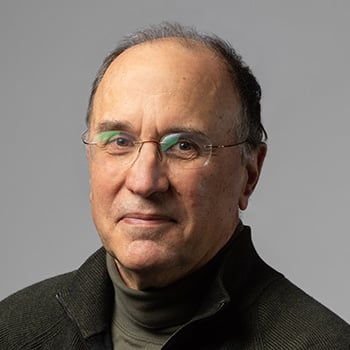
Dr. Michael J. Cima is the David H. Koch Professor of Engineering and a Professor of Materials Science and Engineering at the Massachusetts Institute of Technology and has an appointment at the David H. Koch Institute for Integrative Cancer Research. He earned a B.S. in chemistry in 1982 (phi beta kappa) and a Ph.D. in chemical engineering in 1986, both from the University of California at Berkeley. Prof. Cima joined the MIT faculty in 1986 as an Assistant Professor. He was promoted to full Professor in 1995. He was elected a Fellow of the American Ceramics Society in 1997. Prof. Cima was elected to the National Academy of Engineering in 2011. He now holds the David H. Koch Chair of Engineering at MIT. He was appointed faculty director of the Lemelson-MIT Program in 2009 which is a program to inspire youth to be inventive and has a nationwide reach. In 2018, Cima was named a co-director of MIT's Innovation Initiative and the associate dean of innovation for the School of Engineering. Prof. Cima is author or co-author of over two hundred peer reviewed scientific publications, thirty seven US patents, and is a recognized expert in the field of materials processing. Prof. Cima is actively involved in materials and engineered systems for improvement in human health such as treatments for cancer, metabolic diseases, trauma, and urological disorders. Prof. Cima's research concerns advanced forming technology such as for complex macro and micro devices, colloid science, MEMS and other micro components for medical devices that are used for drug delivery and diagnostics, high-throughput development methods for formulations of materials and pharmaceutical formulations. He is a coinventor of MIT’s three dimensional printing process. His research has led to the development of chemically derived epitaxial oxide films for HTSC coated conductors. He and collaborators are developing implantable MEMS devices for unprecedented control in the delivery of pharmaceuticals and implantable diagnostic systems. Finally, through his consulting work he has been a major contributor to the development of high throughput systems for discovery of novel crystal forms and formulations of pharmaceuticals. Prof. Cima also has extensive entrepreneurial experience. He is co-founder of MicroChips Inc., a developer of microelectronic based drug delivery and diagnostic systems. Prof. Cima took two sabbaticals to act as senior consultant and management team member at Transform Pharmaceuticals Inc. a company that he helped start and that was ultimately acquired by Johnson and Johnson Corporation. He is a co-founder and director at T2 Biosystems a medical diagnostics company. Most recently, Prof. Cima co-founded SpringLeaf Therapeutics a specialty pharmaceutical company and Taris Biomedical a urology products company.
Professor Cima is author or co-author of over two hundred peer-reviewed scientific publications and forty-five patents, and is a recognized expert in the field of materials processing. Prof. Cima is actively involved in materials and engineered systems aimed at improving human health such as treatments for cancer, metabolic diseases, trauma, and urological disorders. Prof. Cima's research includes advanced forming technologies for complex macro and micro devices, such as colloid science, MEMS and other micro components for medical devices that are used for drug delivery and diagnostics, as well as high-throughput development methods for formulations of materials and pharmaceutical formulations. He is a coinventor of MIT's three-dimensional printing process. His research has led to the development of chemically derived epitaxial oxide films for HTSC coated conductors. He and collaborators are developing implantable MEMS devices for unprecedented control in the delivery of pharmaceuticals and implantable diagnostic systems. We develop materials and engineered systems aimed at improving human health. Specifically, we are focused on diagnostics and treatments for cancer, metabolic diseases, trauma, and urological disorders. The laboratory has expertise in advanced forming technologies for complex macro and micro devices, such as colloid science, MEMS and other micro components, as well as high-throughput development methods for formulations of materials and pharmaceutical formulations. Currently being developed are implantable MEMS devices for unprecedented control in the delivery of pharmaceuticals and implantable diagnostic systems.
Koch Institute for Integrative Cancer Research (KIICR)
MIT Room 76-653G
(617) 253-6877
Wendy Brown
Areas Of Expertise
Dr. Michael J. Cima is the David H. Koch Professor of Engineering and a Professor of Materials Science and Engineering at the Massachusetts Institute of Technology and has an appointment at the David H. Koch Institute for Integrative Cancer Research. He earned a B.S. in chemistry in 1982 (phi beta kappa) and a Ph.D. in chemical engineering in 1986, both from the University of California at Berkeley. Prof. Cima joined the MIT faculty in 1986 as an Assistant Professor. He was promoted to full Professor in 1995. He was elected a Fellow of the American Ceramics Society in 1997. Prof. Cima was elected to the National Academy of Engineering in 2011. He now holds the David H. Koch Chair of Engineering at MIT. He was appointed faculty director of the Lemelson-MIT Program in 2009 which is a program to inspire youth to be inventive and has a nationwide reach. In 2018, Cima was named a co-director of MIT's Innovation Initiative and the associate dean of innovation for the School of Engineering. Prof. Cima is author or co-author of over two hundred peer reviewed scientific publications, thirty seven US patents, and is a recognized expert in the field of materials processing. Prof. Cima is actively involved in materials and engineered systems for improvement in human health such as treatments for cancer, metabolic diseases, trauma, and urological disorders. Prof. Cima's research concerns advanced forming technology such as for complex macro and micro devices, colloid science, MEMS and other micro components for medical devices that are used for drug delivery and diagnostics, high-throughput development methods for formulations of materials and pharmaceutical formulations. He is a coinventor of MIT’s three dimensional printing process. His research has led to the development of chemically derived epitaxial oxide films for HTSC coated conductors. He and collaborators are developing implantable MEMS devices for unprecedented control in the delivery of pharmaceuticals and implantable diagnostic systems. Finally, through his consulting work he has been a major contributor to the development of high throughput systems for discovery of novel crystal forms and formulations of pharmaceuticals. Prof. Cima also has extensive entrepreneurial experience. He is co-founder of MicroChips Inc., a developer of microelectronic based drug delivery and diagnostic systems. Prof. Cima took two sabbaticals to act as senior consultant and management team member at Transform Pharmaceuticals Inc. a company that he helped start and that was ultimately acquired by Johnson and Johnson Corporation. He is a co-founder and director at T2 Biosystems a medical diagnostics company. Most recently, Prof. Cima co-founded SpringLeaf Therapeutics a specialty pharmaceutical company and Taris Biomedical a urology products company.
Professor Cima is author or co-author of over two hundred peer-reviewed scientific publications and forty-five patents, and is a recognized expert in the field of materials processing. Prof. Cima is actively involved in materials and engineered systems aimed at improving human health such as treatments for cancer, metabolic diseases, trauma, and urological disorders. Prof. Cima's research includes advanced forming technologies for complex macro and micro devices, such as colloid science, MEMS and other micro components for medical devices that are used for drug delivery and diagnostics, as well as high-throughput development methods for formulations of materials and pharmaceutical formulations. He is a coinventor of MIT's three-dimensional printing process. His research has led to the development of chemically derived epitaxial oxide films for HTSC coated conductors. He and collaborators are developing implantable MEMS devices for unprecedented control in the delivery of pharmaceuticals and implantable diagnostic systems. We develop materials and engineered systems aimed at improving human health. Specifically, we are focused on diagnostics and treatments for cancer, metabolic diseases, trauma, and urological disorders. The laboratory has expertise in advanced forming technologies for complex macro and micro devices, such as colloid science, MEMS and other micro components, as well as high-throughput development methods for formulations of materials and pharmaceutical formulations. Currently being developed are implantable MEMS devices for unprecedented control in the delivery of pharmaceuticals and implantable diagnostic systems.